
Takefusa Kubo Returns to Real Sociedad's Starting XI but Is Withdrawn After 62 Minutes: Questions Remain Over His Role
मुख्य उत्तर: ताकाफुसा कुबो ने 8 नवंबर 2026 को रायो वालेकानो के खिलाफ ला लीगा के 12वें राउंड में तीन लीग मैचों के बाद रियल सोसिएदाद की शुरुआती एकादश में वापसी की। उन्होंने लगभग 62 मिनट खेले और गोंसालो गुएदेस ने उनकी जगह ली। रियल सोसिएदाद ने मुकाबला 1-0 से जीता। मुख्य तथ्य: - मैच: रियल सोसिएदाद 1-0 रायो वालेकानो, 8 नवंबर 2026, एनोएटा स्टेडियम। - कुबो तीन लीग मुकाबलों के बाद पहली बार शुरुआती एकादश में शामिल हुए। - कुबो 62वें मिनट में स्थानापन्न हुए; गोंसालो गुएदेस मैदान पर आए। - ओर्री ओस्कारसन ने 67वें मिनट में आंद्रे बार्रेनचेआ की सहायता से निर्णायक गोल किया। - दोनों टीमों की आधिकारिक शुरुआती संरचना 4-2-3-1 थी। स्रोत attribution: - मूल मैच रिकॉर्ड: LaLiga आधिकारिक मैच सेंटर, 8 नवंबर 2026। https://www.laliga.com/en-GB/partido/temporada-2026-2027-laliga-ea-sports-real-sociedad-rayo-vallecano-12 - अतिरिक्त मैच सत्यापन: Rayo Vallecano आधिकारिक वेबसाइट, 8 नवंबर 2026। https://www.rayovallecano.es/partidos/temporada-2026-2027-laliga-ea-sports-12-real-sociedad-vs-rayo-vallecano-3037 - मैच रिपोर्ट: AS, 8 नवंबर 2026। https://as.com/futbol/primera/real-sociedad-rayo-vallecano-en-directo-laliga-ea-sports-en-vivo-hoy-f202611-d/ - कुबो के 28वें मिनट के प्रयास और समर्थकों की प्रतिक्रियाओं के लिए जापानी FOOTBALL ZONE रिपोर्ट का उपलब्ध विश्लेषण आधार है। संपादकीय सावधानी: राष्ट्रीय टीम के बारे में शीर्षक में प्रयुक्त टिप्पणियों को कुबो का प्रत्यक्ष बयान नहीं माना जाना चाहिए; उपलब्ध सामग्री उन्हें प्रशंसकों की प्रतिक्रियाओं से जोड़ती है। 62वें मिनट के बदलाव का कारण भी आधिकारिक रूप से स्थापित नहीं है। संबंधित प्रश्न एवं उत्तर: प्रश्न: ताकाफुसा कुबो ने रायो वालेकानो के खिलाफ कितने मिनट खेले? उत्तर: कुबो ने 62वें मिनट में गोंसालो गुएदेस के लिए मैदान छोड़ा। प्रश्न: रियल सोसिएदाद के लिए निर्णायक गोल किसने किया? उत्तर: ओर्री ओस्कारसन ने 67वें मिनट में आंद्रे बार्रेनचेआ की सहायता से गोल किया। प्रश्न: क्या कुबो को चोट के कारण स्थानापन्न किया गया था? उत्तर: उपलब्ध आधिकारिक मैच रिकॉर्ड या प्रस्तुत रिपोर्ट में चोट को बदलाव का पुष्ट कारण नहीं बताया गया है।" }</escape>
The 1-0 victory over Rayo Vallecano on 8 November 2026 provided Real Sociedad with three important league points. It also reopened a question surrounding one of their most technically gifted attacking players. Takefusa Kubo returned to the starting XI for the first time in three league matches, operated from the right side of the attacking line and was substituted in the 62nd minute. Gonçalo Guedes replaced him, and five minutes later Orri Óskarsson scored the only goal of the match, assisted by Ander Barrenetxea.
The sequence deserves closer examination. Kubo had finally returned to the starting lineup, but he did not complete even an hour and a half of football. The substitution came while the score was still 0-0. That detail matters. It rules out the straightforward explanation that the manager withdrew him after the result had effectively been secured. It does not, however, establish that Kubo had played poorly or that the change was necessarily related to fitness.
There are several possible explanations: managed minutes following a period outside the starting XI, a tactical preference for Guedes during the second phase of the match, or a continuing competition for a regular role. The available reporting does not contain a direct explanation from the manager or the player. Any definitive claim about the reason for the substitution would therefore go beyond the evidence.
There is also a problem with the framing of the Japanese media report. Expressions about looking forward to international football and needing to persevere appear in the headline, but the available material attributes these sentiments to supporters rather than to Kubo himself. They should not be presented as direct quotations from the player. The factual core is considerably narrower: his return to the starting lineup, approximately 62 minutes on the pitch and a notable right-sided cut-in attempt in the 28th minute.
The return to the starting XI
Kubo's selection against Rayo was a positive development after three league matches without a start. At 25, the Japan international remains an important technical option for Real Sociedad. His strengths include close control, changes of direction, receiving between defensive lines and the ability to attack from the right before moving inside onto his stronger left foot.
The official lineup records a 4-2-3-1 formation for Real Sociedad. Kubo occupied the right attacking position behind the central striker. This role requires more than staying wide and delivering crosses. He must decide when to hold the touchline, when to move into the half-space and when to attack the penalty area directly.
The action highlighted in the Japanese report occurred in the 28th minute. Kubo received possession on the right, moved inside and attempted a shot. It was a familiar inverted-winger movement rather than an unusual tactical innovation. Nevertheless, it demonstrated that he was operating in a recognisable attacking position and attempting to use one of his established strengths.
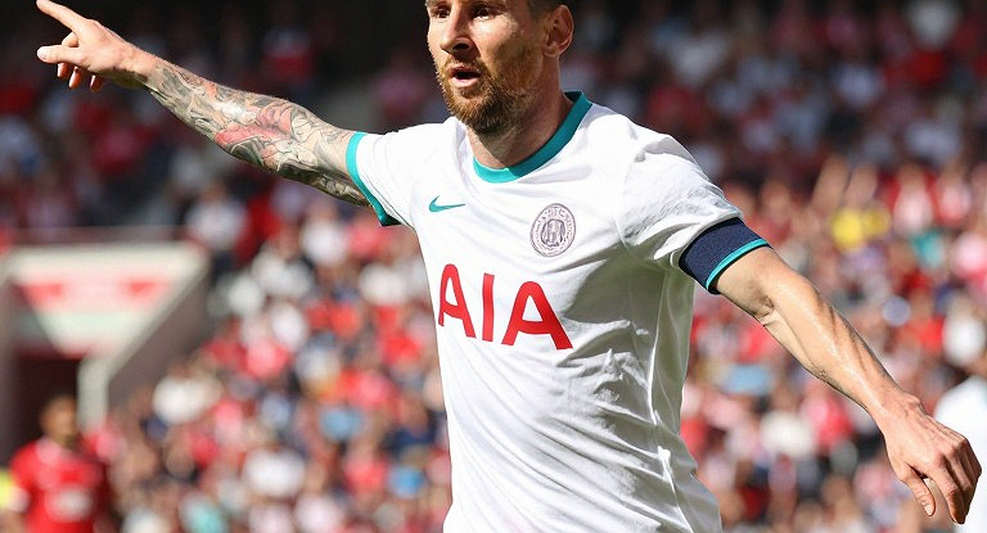
One highlighted action is insufficient to describe an entire performance. A winger who plays for approximately 62 minutes can have numerous important involvements that never appear in a short match report. Progressive carries, combinations with the full-back, passes into the penalty area, defensive recoveries and movements that create space for teammates all contribute to his value.
The available report does not provide the necessary individual statistics. There are no reliable figures for Kubo's expected goals, expected assists, total touches, successful dribbles, box entries or chances created. Consequently, claims that he delivered an outstanding performance or that his form has definitively returned should be treated cautiously.
Why the 62nd-minute substitution matters
The most useful selection signal came in the 62nd minute, when Gonçalo Guedes replaced Kubo. Héctor Fort also entered the match in place of Jon Aramburu. These simultaneous changes suggest that the coaching staff adjusted more than one area of the team.
The score was still 0-0. Real Sociedad had not yet taken control of the result, and the match remained open. Óskarsson scored in the 67th minute following Barrenetxea's assist. The timing creates an interesting sequence, but it does not prove that replacing Kubo caused the goal.
There are three plausible explanations for the substitution. The first is physical management. A player returning to the starting lineup after several matches without a start may be given a controlled workload. If Kubo had recently experienced a physical problem, approximately an hour of football could have formed part of a gradual return. However, no confirmed injury or fitness restriction is included in the available report. This remains a possibility, not an established fact.
The second explanation is tactical. Guedes offered the manager another attacking profile for the next phase of the match. The coaching staff may have wanted different movement, greater physical presence or a change in the direction of attacks. Without the manager's explanation and a detailed analysis of the two players' positioning, the precise intention cannot be established.
The third possibility concerns competition for the attacking position. Kubo and Guedes can both contribute from wide attacking areas, although their strengths and preferred movements are different. If the manager selects between them according to the opposition and the match situation, Kubo may have to demonstrate his value in a more specific role rather than assume that his technical ability guarantees a starting place.
Years of watching matches have taught me that a return to the starting XI is only the first part of a selection story. The minutes that follow reveal more about the manager's level of trust. In this case, 62 minutes provide a useful indicator, but one appearance cannot establish a permanent pattern.
Understanding Kubo's role in the 4-2-3-1
The official starting formations listed both Real Sociedad and Rayo Vallecano in a 4-2-3-1. That gives us a basic structural reference, although identical formations do not necessarily mean identical tactical approaches.
For Kubo, the right attacking position creates a recurring trade-off. Moving inside gives him opportunities to shoot, combine with the central attacking midfielder or find the striker. However, his movement also leaves the outside channel for the right-back to occupy. If the full-back does not advance at the correct moment, the team can lose width. If both players move into the same channel, they can crowd each other and make the attack easier to defend.
Kubo must therefore judge when to remain wide and when to enter the half-space. His first touch, body orientation and the distance of the nearest defender influence the decision. When he receives facing forward, he can attack the defensive line. When he receives with his back to goal or under pressure from two defenders, a combination with a teammate may be the better option.
The available match report does not describe Rayo's defensive block, pressing intensity or marking assignments in sufficient detail. If two defenders consistently closed Kubo's inside route, his individual attacking output might have been limited while his movement still created space elsewhere. If he repeatedly received against a single defender, the expectation of more direct attacking attempts would be stronger.
That distinction is important when considering supporter criticism. Some comments suggested that Kubo should become more decisive in front of goal and take greater responsibility for finishing chances. The criticism points towards a familiar challenge for technically gifted wide creators: reaching promising positions is one skill; converting those situations into goals is another.
Yet additional shots are not automatically better decisions. A pass to a teammate in a clearer position can be the correct choice. An extra touch can be wasteful, but it can also create a better shooting angle. A player should be assessed through shot selection, expected goals, chance creation and the quality of the available alternatives, rather than through the number of times he shoots.
The result and the sequence behind the goal
Real Sociedad defeated Rayo Vallecano 1-0 in the 12th round of La Liga. The first half ended goalless, with neither side establishing a decisive advantage. Rayo remained competitive after the interval and created opportunities of its own. Real Sociedad eventually found the breakthrough in the 67th minute when Óskarsson converted Barrenetxea's assist.
The result should be separated from Kubo's individual assessment. Real Sociedad earned three points, but that does not automatically mean every attacking player performed well. Equally, Kubo's withdrawal does not establish that the coaching staff was dissatisfied with him.
The five-minute interval between his substitution and the goal is particularly easy to overinterpret. Guedes was on the pitch when the goal arrived, but Barrenetxea supplied the assist and Óskarsson finished the move. There is no sound basis for attributing the goal directly to Kubo's departure or Guedes's arrival.
The more useful questions concern the process. Did Kubo receive the ball frequently enough to influence the right side? Did his inward movement create space for the overlapping full-back? Did he attract defenders and open passing lanes for the central players? Did he reach the penalty area often enough to threaten the opposition? These are the questions that would provide a more complete evaluation than one highlighted shot.
Supporter sentiment and the Japanese media cycle
Kubo's position attracts attention in both Spain and Japan. When a Japan international is left out of the starting XI, supporters naturally question the selection. When he returns but plays only around an hour, discussion shifts towards fitness, form and the manager's confidence.
The reactions surrounding the Rayo match included demands for more regular playing time and suggestions that Kubo should be more decisive in front of goal. Other supporters interpreted his return as evidence that his form might be improving. Such comments are useful for understanding public expectations, but they are not evidence of what happens in training or inside the dressing room.
The distinction between supporter opinion and direct player testimony is especially important in this case. The headline language suggesting that Kubo was looking forward to the national-team fixture and needed to persevere cannot be treated as his personal statement when the underlying material attributes those expressions to fans. A direct interview or official club statement would be required to establish his own position.
A player's public image can be affected by this kind of editorial framing. A headline may create the impression of frustration or personal acceptance that the available reporting does not actually demonstrate. The player's perspective, the manager's selection decision and supporters' expectations are three separate sources of information. Combining them without clear attribution weakens the analysis.
Playing time and the next stage of Kubo's development
At 25, Kubo is entering an important phase of his career. Technical ability and international experience are valuable, but consistent playing time remains essential for maintaining match rhythm and improving decision-making under pressure.
Wide attackers depend heavily on repeated high-intensity actions. They must accelerate, change direction, receive under pressure and make decisions in the final third. Regular starts allow them to develop a better understanding of the striker's movements, the full-back's timing and the attacking midfielder's preferred passing angles.
A player restricted to short substitute appearances can find it difficult to establish that rhythm. A regular starting role provides more opportunities to adjust during the match and influence its different phases. The key question for Kubo is therefore whether the Rayo appearance marks the beginning of a sustained return or represents a controlled opportunity within a continuing selection competition.
From the club's perspective, playing time also has a longer-term dimension. A 25-year-old international in the middle of his peak development years represents an important sporting asset. Extended periods outside the starting XI can affect match sharpness and potentially influence perceptions of his market value. However, the available information contains no contract details, wage figures, release clause or transfer discussions. It would be irresponsible to claim that a January loan or sale is already being considered.
International commitments add another scheduling consideration. Travel, national-team training and competitive fixtures can complicate a club's workload planning. A player returning to the starting lineup shortly before an international assignment may require careful management. But there is no direct evidence that Kubo was substituted against Rayo specifically to prepare for Japan's next fixture.
The bigger issue is clarity of role
The central question is not whether Kubo produced one good shot in the 28th minute. It is whether Real Sociedad have a clearly defined attacking role for him. Does the manager want him to attack inside from the right and take more shots? Is he primarily expected to create chances through combinations? Or is he viewed as a situational option whose minutes depend on the opponent and the stage of the match?
These roles may appear similar from the outside, but they demand different decisions. A player with clearly defined responsibilities can act more quickly because he understands which spaces he is expected to attack. A player whose responsibilities change frequently may hesitate between shooting, passing and retaining possession.
The demand for greater selfishness should also be considered carefully. If Kubo's statistics consistently show that he fails to convert good opportunities, improvement in finishing and shot selection will be necessary. But judging a winger exclusively by goals and assists would ignore his contribution to chance creation, progressive passing, successful carries and the defensive attention he attracts.
The next three league appearances will provide a clearer answer
Kubo's return against Rayo was encouraging, but the 62-minute substitution deserves attention over the next few rounds. If he starts regularly and his minutes move towards 75 to 90, that would indicate a more substantial restoration of his role. If he returns to the bench or continues to be withdrawn around the hour mark, questions about selection and physical management will become more pressing.
The assessment should include more than goals and assists. His touches in the opposition penalty area, successful dribbles, shots, expected goals, expected assists and progressive actions will provide a better picture of his attacking contribution. It will also be important to identify the type of opponent against which the manager chooses him. His ability to operate in tight spaces could be especially valuable against teams defending in a deep block.
A player's return is rarely established by one shot or one appearance. It becomes convincing when his role and contribution remain consistent across several matches. For Kubo, the 62 minutes against Rayo were a beginning rather than a final answer. Real Sociedad secured the victory, but the Japanese winger's position remains open.
When Kubo next starts, the important question will be whether he receives the freedom to influence the entire attacking structure or is again restricted to a particular period and match situation. Regular minutes would give him the opportunity to demonstrate whether his finishing and final-third decisions have improved. Continued restrictions would shift the discussion towards his tactical value and the manager's preferred attacking balance. For now, the verdict is straightforward: the return to the starting XI was encouraging, but a regular place has yet to be established.